The armies of Grabovia reached the borders of Grabsmack 75 years ago. Having seen the fate of other cities, everyone knew what was coming. The empire did not negotiate, did not question, did not give ultimatums. Its victims were anyone weaker that it laid its eye on. It crushed cities, peoples, treasures, lives, futures, dreams, plans, and with them music and song. And then, when it was done, it would rub the salt of misery, fear, hopelessness, and grey anonymity into whatever remained after the destruction.
The town of Grabsmack was never spared by history: it repeatedly came close to having its future or its survival, or both, hang by a thread. The events of more than 70 years ago were among the latter. The inhabitants themselves didn’t think they had more than a slim chance, but they also knew that if they didn’t want to end up looted and eaten up in the bosom of an empire, the only option was resistance.
After five years of bitter fighting, blood, death, and shattered lives, Grabovia finally retreated. So Grabsmack survived and was given a chance to rebuild a future on the ruins. And every year on 28 July, the residents gather to commemorate the heroes and the anniversary of the Great War.
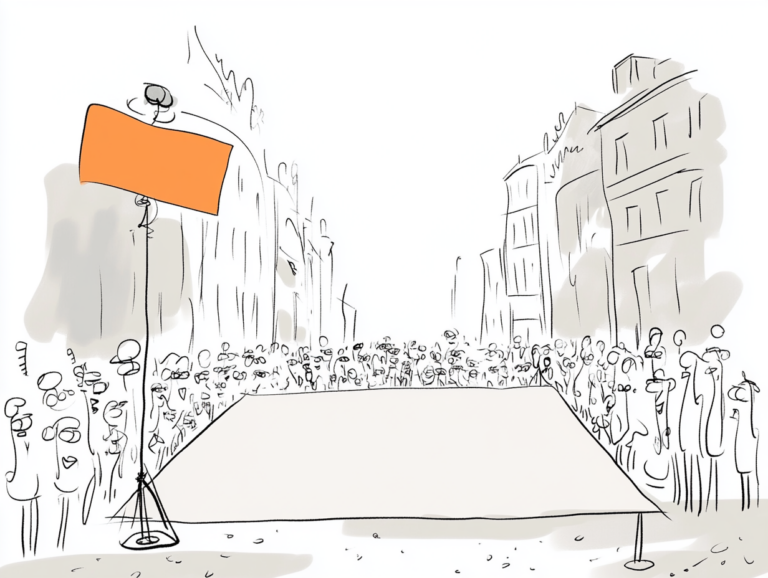
In the old days, the former warriors used to march on this day. One by one, they would step out of the Museum gates and march solemnly past the assembled crowds. This year, however, only Steve Hunack, the last living patriot, emerged. The others all „went ahead” – as they used to refer to the deaths of their comrades among themselves.
Steve strode brokenly, yet silently, to the freshly carved platform and up the steps. He did not look around. He just knelt and waited for the guards to fasten the chains.
The master of ceremonies recalled the significance of the event in a few sentences and then handed the main role over to the crowd. They prepared their baskets. All packed with assorted eggs. Some of the baskets had been stocked for weeks. And then they would pick, aim and shoot. And each shot was accompanied by a shout they thought appropriate. They started with things like.
” You shouldn’t have provoked them, and there wouldn’t have been any trouble! „
„If you were true patriots, you would have pursued peace at all costs!!!”
„You should not have pulled the lion’s whiskers!”
„You were the ones who really wanted that war!”
Then, as the mood reached a climax, the hard core rang out:
” You just couldn’t accept that the stronger dog always wins!!”
„Resistance fighters are traitors!”
„You are alien-hearted cuckoos!!! You’ve dragged the city into a destructive war for the benefit of the backing power!!! „
„This mourning should have died a long time ago!”
„Cowardly shit, you didn’t dare surrender!”
„You were brave as a wild horse! Ha-ha-ha!”
And so it went on until the crowd had thrown away all their eggs and calmed down. Then the master of ceremonies thanked them for coming again that day and wished them a good night as a parting gift. Steve was then surrounded by the guards and escorted back to the Museum just as alone as before. (It’s a mystery why anyone thought ‘Museum’ would be a good name for the town jail…)
By evening the cleaners appeared in the empty square, but their job was not easy. At this time of year, the air was often stiflingly hot and humid, and the eggs that had been spilled soon began to stink. They spent days washing houses and cobblestones, but the smell crept out of the cracks again and again in the morning sunshine and then enveloped the town.
No wonder that hardly a soul ventured out into the streets or even opened a window. And if someone had to, they couldn’t get away without vomiting, or at least a good retch.
And so it was that the tradition of celebrating the heroes of yore became intertwined with the stench of rot and vomit, from which the only escape was to stay within four walls.